
A Food Lover's Guide to the Scottish Islands
Food and Travel | September 16, 2026
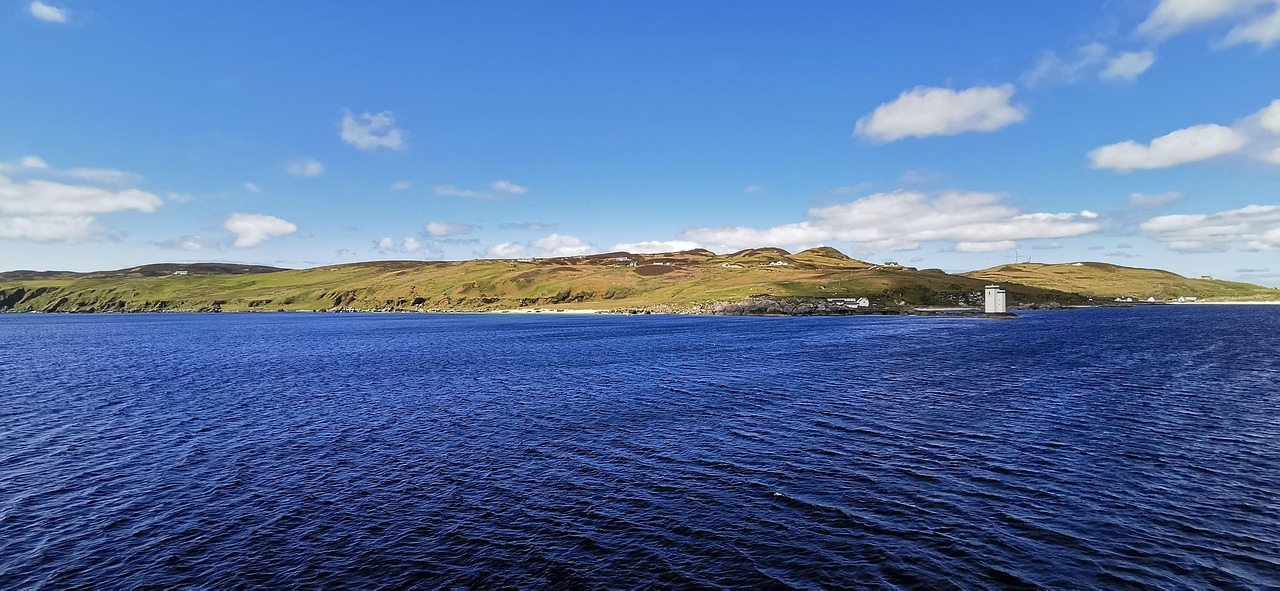
Scotland’s islands have always been known for landscapes — the jagged Cuillins, the machair grasslands, the standing stones. What’s less well known is that they’re also producing some of the best food in the country. The reason is simple: when you live somewhere with limited imports and a short growing season, you learn to make the most of what’s on your doorstep.
Start on Islay, where the whisky gets the attention but the seafood deserves equal billing. The oysters from Loch Gruinart are briny and clean, and the scallops landed at Port Askaig are the kind you’ll still be thinking about a month later. Several of the island’s distilleries now run their own kitchens, and the combination of a peat-smoked dram and a plate of langoustines is hard to argue with.
Smoke, salt and slow food
On Skye, the food scene has grown up alongside the tourism. The Three Chimneys needs no introduction, but the real pleasure is finding the smaller places — a bakery in Portree selling sourdough and oatcakes, a smokehouse on the Sleat peninsula curing salmon with seaweed, a café in Uig serving crab sandwiches that taste like they were made ten minutes ago because they were.
Further north, Orkney has its own food identity. The beef is famous, the cheese is excellent, and the bere barley — an ancient grain — turns up in everything from bannocks to beer. In Stromness, a small deli sells Orkney fudge and locally roasted coffee, and the fish and chip shop near the harbour does a haddock supper that would hold its own anywhere in Britain.
How to eat your way around the islands
The practicalities matter. Ferries are the lifeline, and timetables shape your day more than opening hours do. Book ahead in summer, especially for the popular routes to Islay, Skye and Orkney. Many of the best food experiences are small operations — a smokehouse, a farm shop, a pop-up supper club — so check ahead and don’t assume everything is open year-round.
What you’ll find, if you go looking, is a food culture that feels genuinely rooted. The scallops were caught that morning, the cheese was made down the road, and the person serving you probably knows the person who made it. That’s not a marketing line here. It’s just how things work.


Harbour And Hill

A hundred miles of chalk downland, cosy pubs and big skies — and it's all doable in a long weekend if you plan it right.