





Harbour Towns Worth the Detour: Small Ports with Big Character
Harbour Towns | September 22, 2026
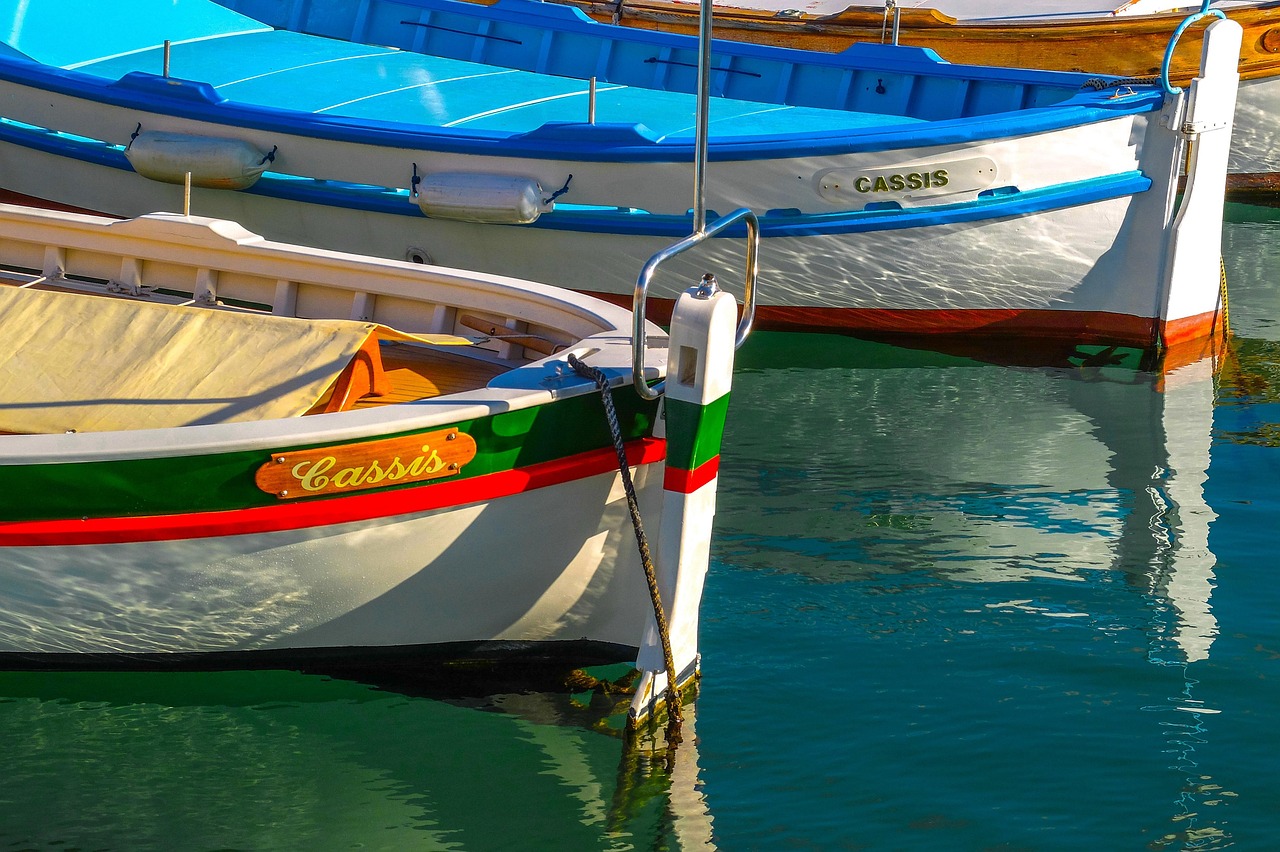
A good harbour town is a lesson in how to live with the sea. The boats go out and come back, the fish is sold and eaten, the pub fills at six and empties by ten. Some of these towns have been at it for centuries, and even the ones that now depend more on visitors than on fishing still carry the old rhythms in their layout: the quay, the chandlery, the row of cottages facing the water, the church on the hill behind.
Seeking them out is one of the quiet pleasures of travelling around the coast. They rarely make the front of a guidebook, and they are usually a short detour off the main road, which is exactly why they have kept their character.
Working quays and the smell of the catch
The best harbour towns are still working. You can tell by the state of the quay: coils of rope, crates stacked by the wall, a forklift parked at an angle, and a general air of things being used rather than arranged. In places like these, the fishmonger's slab is the honest test of a town. If the catch is local and the queue is made up of people in waterproofs, you are in the right spot.
Wander along the quay in the late afternoon and you will see the boats come in, the gulls gathering with intent, and the small rituals of unloading that have not changed much in a hundred years. It is not a performance for visitors, which is precisely what makes it worth watching.
Yachting havens and the gentler side of the coast
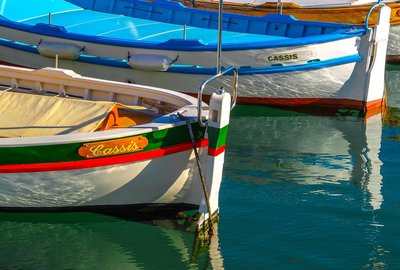
Not every harbour town is a fishing port. Some grew up around shelter, a deep inlet where boats could ride out a gale, and they have since become places where yachts and dinghies outnumber trawlers. These towns tend to be prettier, with painted houses, window boxes and a sailing club that has been going since before anyone can remember. They are lovely to walk around, especially in the early evening when the masts chime and the water in the harbour goes still.
The risk is that they can feel a little too polished, all galleries and gift shops, with the working life pushed to the edges. The trick is to look for the older streets behind the front, where the boat sheds and the net lofts were, and where you can still find a café full of locals rather than visitors.
Either way, give a harbour town more time than you think it needs. Sit on the wall. Watch the water. Have a second cup of tea. The tide will do the rest, coming in and going out like it always has, and for an afternoon at least, you will be on its schedule rather than your own. That is the whole point of a harbour, and the reason these small ports are worth every detour.


Harbour And Hill

Tucked between sandy bays and castle ruins, these small villages offer a slower, saltier kind of holiday.